Deputy Chairman of the Central Information Commission again reminds IPDN Praja regarding Public Information Openness
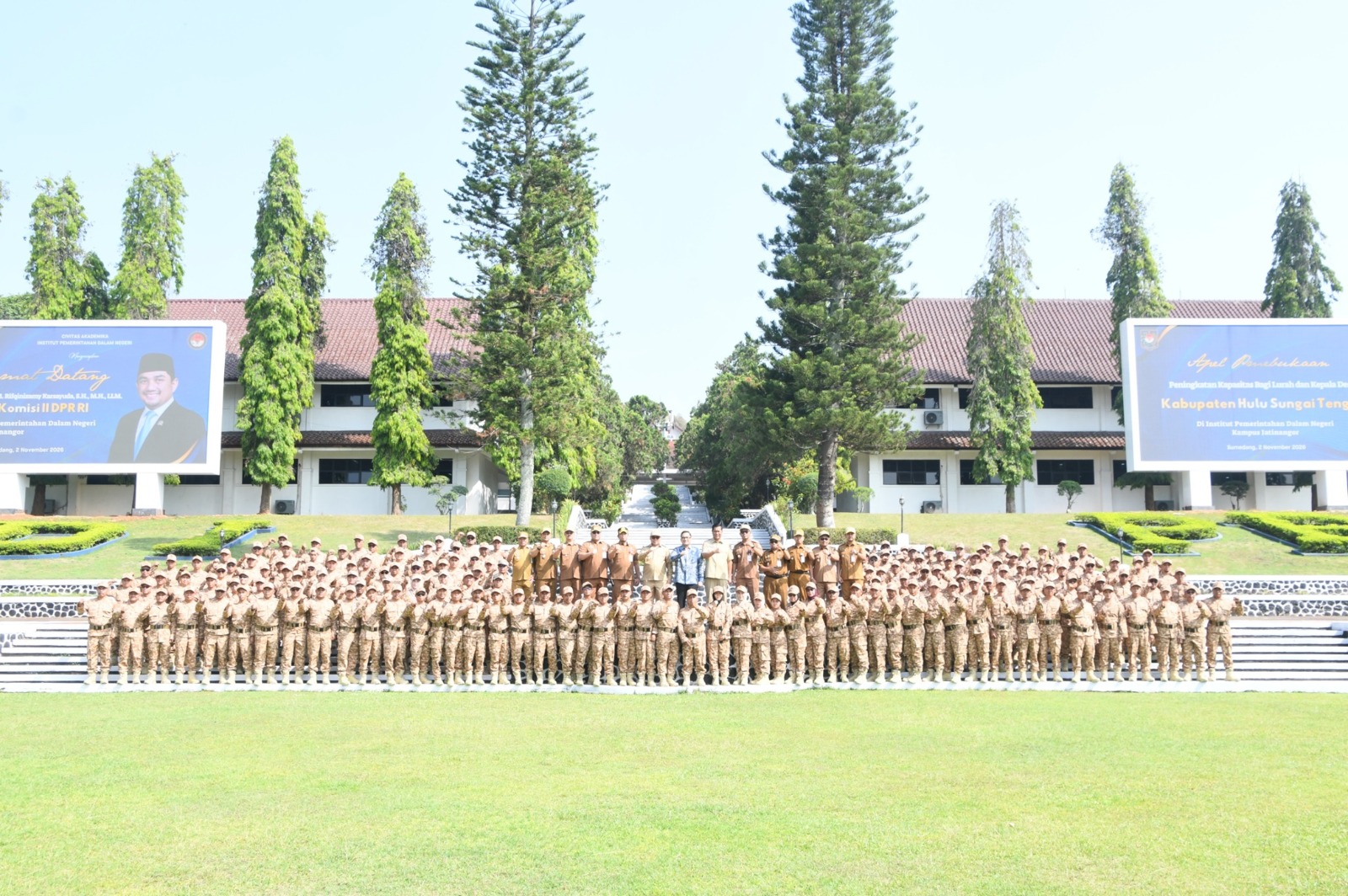
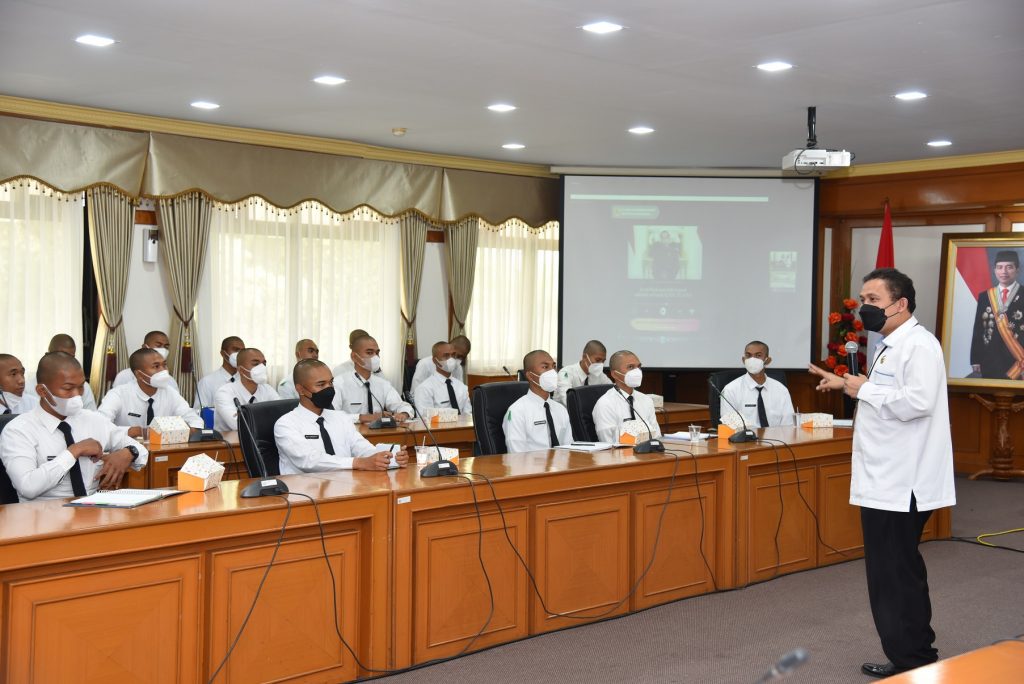
Jatinangor, Saturday (23/10/2021) Deputy Chairman of the Central Information Commission of the Republic of Indonesia Hendra J. Kede again reminded IPDN praja, who is a candidate for the future State Civil Service, regarding the importance of information disclosure to the public. He conveyed this when giving a public lecture in front of 1,121 IPDN young people in a _hybrid_ manner. The theme raised in this public lecture was "Public Information Openness, Guarding Azazi Rights and Citizens' Constitutional Rights to Information, Making Indonesia a Top Five World Economic Power". This theme is carried out in accordance with what was conveyed by President Jokowi at the 2019 MUSRENBANGNAS, which stated that in 2045 Indonesia must become the top five world economic power, therefore the country must be managed with the principles of openness.
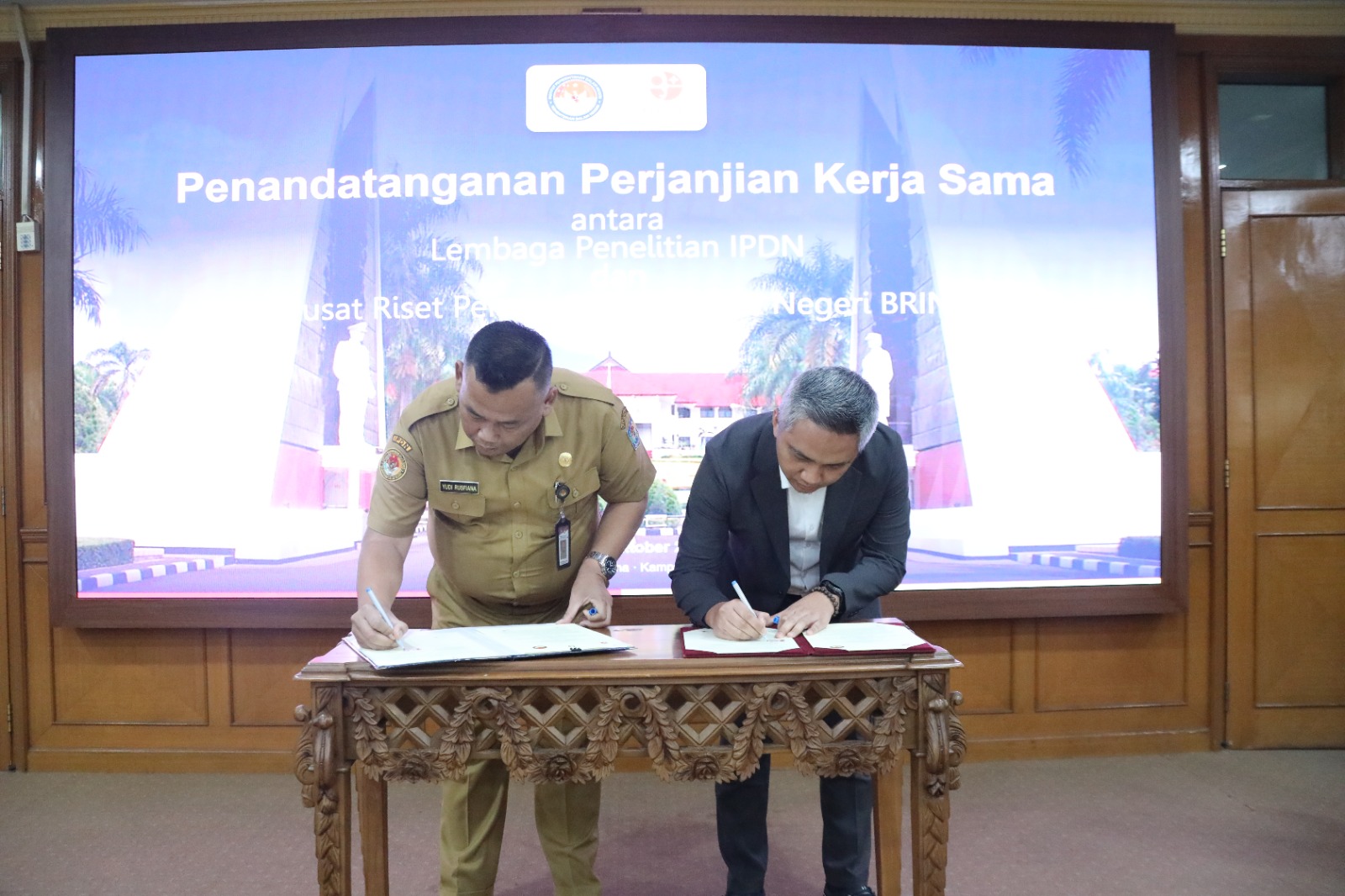
"This public lecture was held as a follow-up to the collaboration that existed between IPDN and the Public Information Commission, related to building the character of public information openness through the education sector. So it is hoped that after attending this public lecture, the students will be more open-minded regarding information openness, such as the legal basis that regulates it, SOPs for public information and so on," said the Deputy Chancellor for Cooperation, Dr. Deti Mulyati, S.H., M.H. CN who was present welcomed the arrival of the Deputy Chair of KIP. According to Hendra J. Kede, Indonesia has experienced a change in the information management regime, "In amendment II of the 1945 Constitution, all information stored in Public Agency documents is basically confidential and if anything is open it must go through a process. Meanwhile, after amendment II of the 1945 Constitution and Law 14 of 2008, all information stored in Public Agency documents is basically open and if something is closed or secret then it must go through a process," he said. According to him, this change in the information management regime means that the public now has the constitutional right to access information and is ordered to apply the principles of information transparency in managing the nation and state by the 1945 Constitution. "This is done solely for the sake of building the physical and spiritual welfare of the Indonesian people and is dedicated to the greatness of the Indonesian nation and state in the future, as a legacy and guarantee of the welfare of our children and grandchildren," said Hendra.
On this occasion, the Deputy Chair of KIP also reminded the implementation of Public Information Service Standards that must be carried out by all agencies/institutions in Indonesia, including standards for announcement services, requests for public information, filing objections, establishing and updating lists of public information, documenting public information service announcements and testing consequences. "In this 4.0 era, all public information services must adapt and use developing information technology tools (_digital platforms_), so that all groups from any level of society and anywhere can access them," he said.
Source: Kepala Bagian Kerjasama dan Humas
Ervin Fahlevi, S.Sos., M.M
Back to News