Results of Simultaneous Regional Election Monitoring by Praja IPDN, 90.17 Polling Stations Have Implemented Covid-19 Prokes
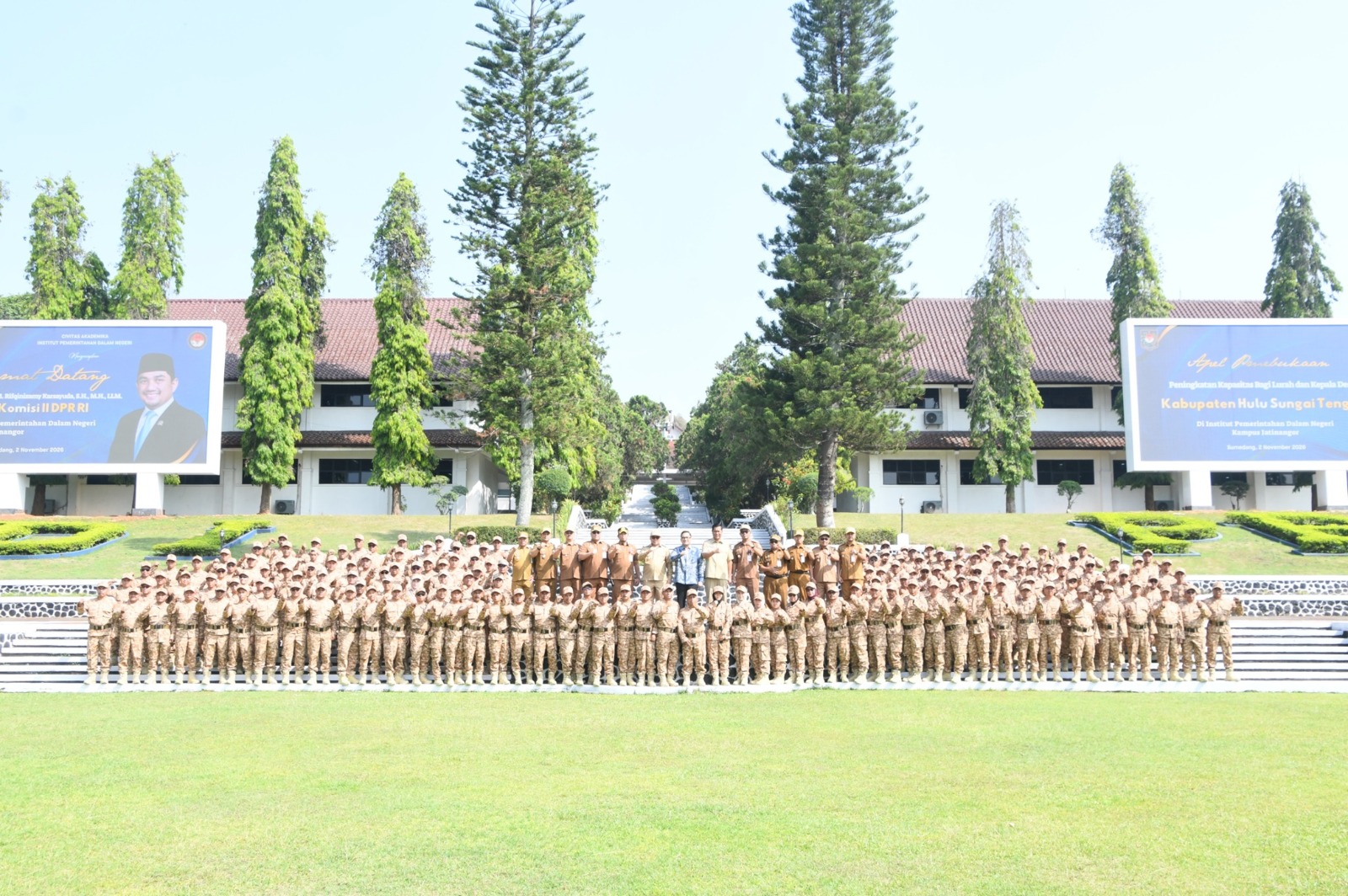
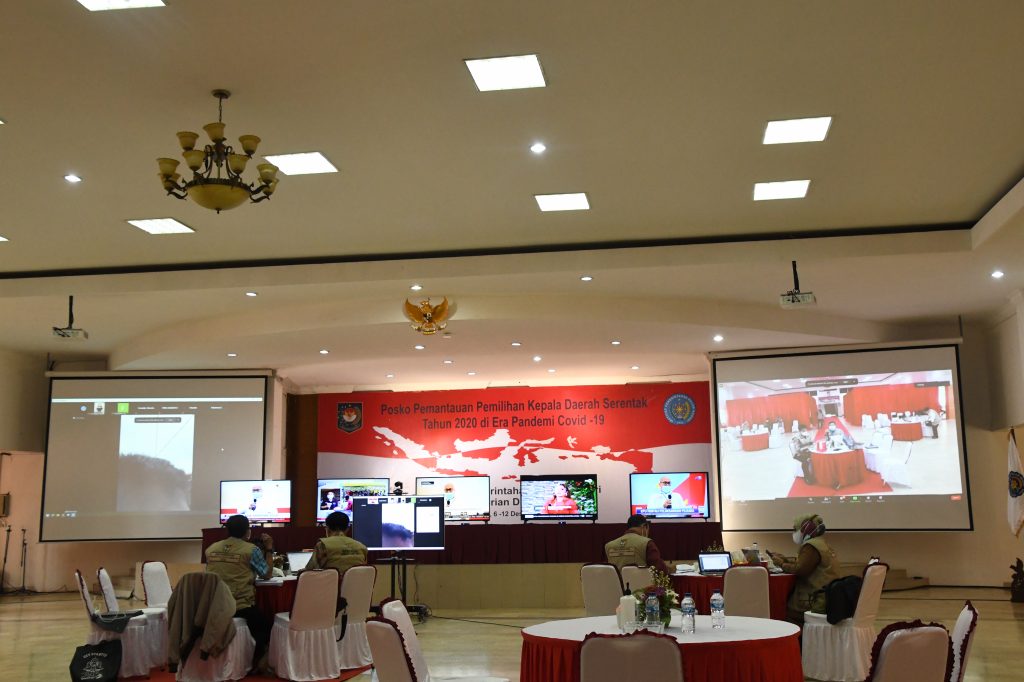
Jakarta (16/12/2020), IPDN Chancellor Dr. Hadi Prabowo, M.M officially conveyed the results of monitoring activities and academic studies on the implementation of the Simultaneous Regional Elections in the era of the Covid-19 pandemic carried out by the IPDN Simultaneous Regional Election Monitoring Team. Monitoring and academic studies carried out by 862 people from the main civil service units were carried out at 298,938 polling stations (TPS) spread across 9 provinces, 37 cities and 224 districts. Apart from directly monitoring the implementation of the Pilkada, the main civil service unit carries out academic studies using a descriptive quantitative approach. The sample taken in this academic study was 1,405 polling stations. The number of samples taking into account the margin of error is ±3? n the sampling was carried out at simple random (simple random sampling). The results obtained stated that 90.17% of TPS had implemented the Covid-19 health protocol (prokes) and the remaining 9.83% did not comply with the Covid-19 health protocol.
Apart from the implementation of the Covid-19 health protocols, IPDN officials also monitor preparations for the Pilkada, implementation of the Covid-19 theme in the campaign vision and mission and debates of regional head candidates, the relationship between the vision and mission of regional head candidates and regional development, innovation in the use of technology in campaigns, voter participation in the Pilkada, timeliness in voting and security and order in the implementation of the Pilkada. "Based on monitoring the empirical situation and conditions as well as direct academic studies in the field, we obtained the results that 92.93% of the preparations for the regional elections had been carried out in accordance with the plans and applicable laws. The timeliness of the voting, the calculation schedule and the submission of the calculations was also very good, as can be seen from the high results achieved, namely 93.55%. Specifically related to preventing the spread of Covid-19, 90.17% of the polling stations had implemented the procedures well and strictly. This is proven by the availability of tools "temperature checks, hand sanitizer or places to wash hands, dividing voting time into 3 sessions and so on," said the Chancellor of IPDN. Still, according to the Chancellor of IPDN, the good health protocols that were implemented during the Pilkada yesterday were due to the simultaneous socialization of Pilkada prokes to the community, 82.68% of the people stated that they had received good prokes socialization at the provincial level up to the TPS.
The simultaneous regional elections which were held in the Covid-19 pandemic situation gave a different nuance, 76.58% of candidate candidate socialization/campaign tools were placed in government agencies from the provincial level to the polling stations concerned. "So the public does not have minimal information about who the candidate pairs are in their area and the vision and mission that these candidate pairs provide," said the Chancellor of IPDN. Apart from themes related to Covid-19, the vision and mission of regional head candidates also raised regional development, namely 77.38%. Quite low results were obtained from innovations in the use of technology in campaigns carried out by regional head candidates. Only 27.64 regional head candidates used robotic technology in conveying their vision and mission, the remaining 72.36% still used traditional techniques. Still according to Chancellor of IPDN, "The government's concern, apart from the emergence of new Covid-19 clusters during the Pilkada, is also related to voter participation. "But based on the results obtained in the field, from the total number of Permanent Voter Lists (DPT) of 357,620 people, 80.34% of them used their voting rights or 287,323 voters used their voting rights, meaning that this pandemic has not had an impact on reducing political participation." based on health protocols with the percentage results showing 96.08%. This success cannot be separated from the synergy between the central government and regional governments as well as the active role of the Simultaneous Pilkada organizers, FORKOPIMDA which is supported by the TNI, Polri, Satpol PP, Linmas, Political Parties and the Community. "Hopefully the results of monitoring and academic studies of the Simultaneous Pilkada implementation by IPDN can be useful for developing and strengthening the implementation of democracy in Indonesia, especially regional democracy in order to realize the continuity of regional government leadership," said the Chancellor of IPDN.
Source: Kepala Bagian Kerja Sama dan Humas
Ervin Fahlevi, S.Sos., M.M
Back to News